In this series of articles on vijverleven.nl, we've already covered four of the six pathogens (poor water quality, stress, contamination, and prolonged poor nutrition). The fifth pathogen is damage.
Causes
A fish may lose localized protective skin, scales, and mucous membranes due to injury. Damage can be caused by:
Prevention
Make sure your pond is well-maintained and free of sharp objects. Keep predators at bay. Learn how to net fish responsibly. Prevent stress and ensure good water quality, so the fish don't exhibit escape behavior (jumping, etc.).
Consequence
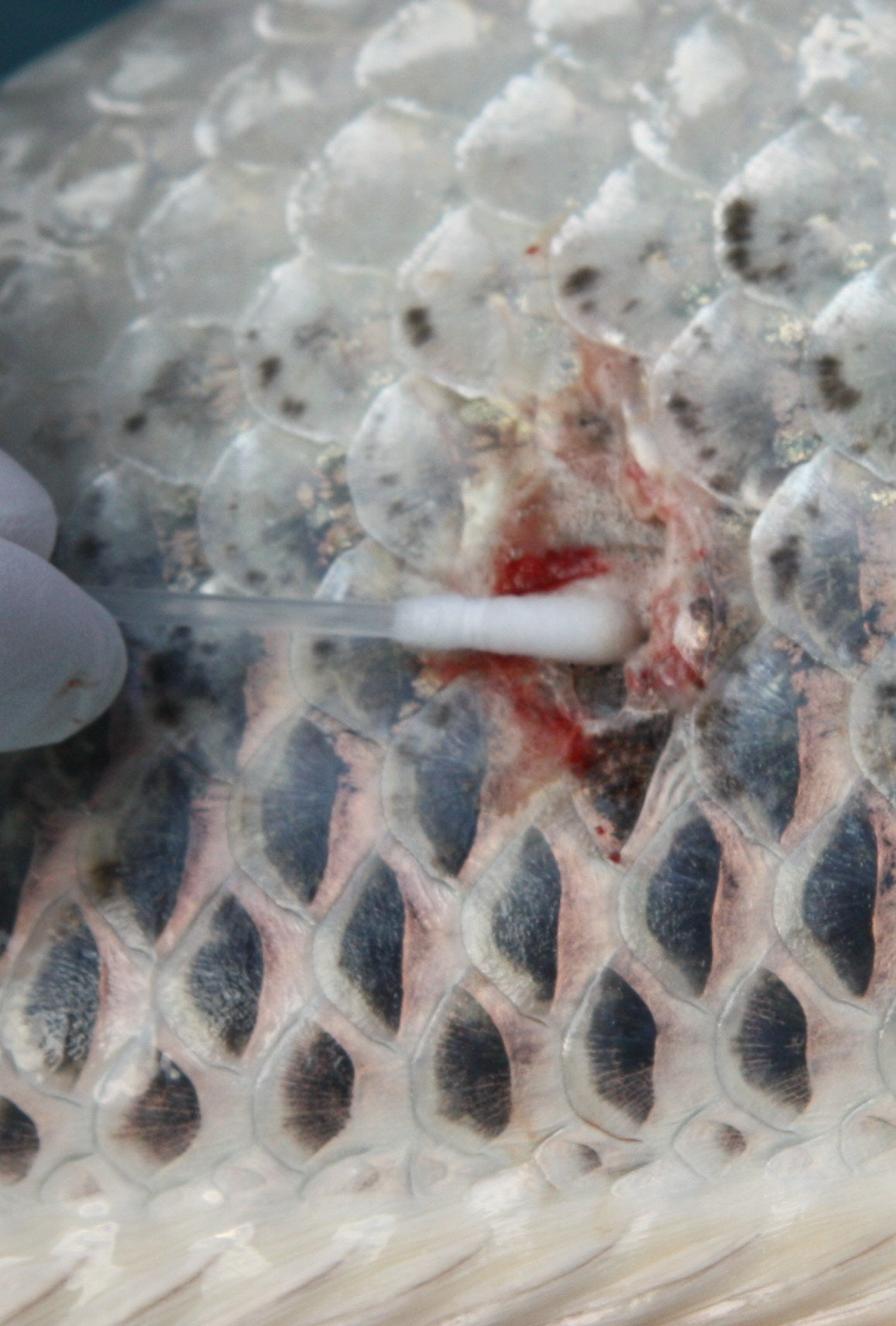
When the protective skin/scales/mucus membrane is breached by a lesion, this area can serve as a "booting ground" for parasites, bacteria, fungi, or algae that see an opportunity and take advantage of the situation. These predators have the unfortunate characteristic of keeping the wound open or even spreading it further. They do this because it's in their best interest to exploit this opportunity for as long as possible.
Measures
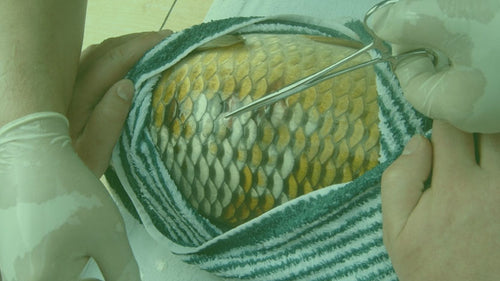
If damage occurs, you will need to consider whether or not to intervene. Fish can usually handle minor wounds on their own, especially if they have good general resistance due to being kept under optimal conditions. Larger wounds often require treatment. The sooner you detect a wound, the better. Carefully inspecting your fish daily helps detect wounds early. An already infected wound overgrown with fungus and other pests will heal much more slowly than a fresh wound that you can treat quickly. Performing a wound treatment will be discussed in a subsequent article.

Author: Joop van Tol (Koitoday)

Sign up for our newsletter
Receive the best offers and personal advice.
cookie preferences
To provide you with better, more personalized service, we use cookies and similar technologies. We and third parties use cookies to track your browsing behavior on our website. More information can be found on our privacy policy page.
 Nederlands
 Deutsch


