Fertilizer
Phosphate (PO43-) is a form of phosphorus. Along with nitrate (NO3-), it is the main cause of algal blooms in ponds. Nitrates and phosphates are the main ingredients of fertilizers. Because phosphates used to be a staple in detergents and cleaning products, large amounts of them ended up in surface water. This had disastrous consequences. Entire nature reserves (lakes) were destroyed by algae growth, suffocating aquatic life. After algae die, they need to be broken down again, requiring a large amount of oxygen (O2). This led to the death (suffocation) of entire fish stocks, creating "dead" water. Therefore, the use of phosphate has been severely restricted. Nowadays, most detergents are phosphate-free. However, far too much phosphate still ends up in surface water through agriculture. Phosphates are now recovered at wastewater treatment plants. This reduces the burden on the environment and makes the phosphate available for reuse (fertilizer). The global phosphate supply is limited. Despite its potential for problems, phosphate is essential for agriculture and therefore for the global food supply. 
Phosphate in the pond
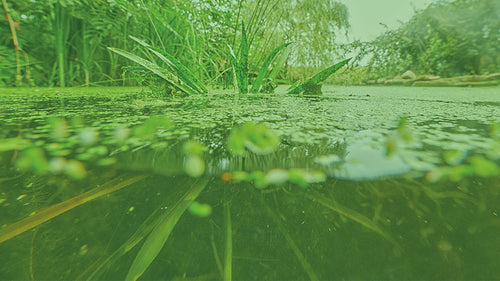
Phosphate enters our ponds through koi food. Excess phosphate, like nitrate, can cause excessive algae blooms. Besides being unsightly, this can suffocate our ponds and cause excessive algae blooms to fluctuate significantly in the pH level. Carp do not tolerate this well. Therefore, we want to keep the phosphate concentration as low as possible. We can achieve this in several ways. The most common way to control phosphate levels is, of course, frequent water changes. Using low-phosphate feed also helps. After all, what doesn't come in doesn't need to go out. Finally, a plant filter offer a solution. Because the plants use phosphates as building blocks, they compete with any algae. You will then have to prune regularly to actually extract nutrients from your system. Try to keep the phosphate level in the pond below 0.5 milligrams per liter, preferably much lower. Phosphate measurements are also drop test Available. However, many hobbyists skip phosphate measurements and base their water change regimen on nitrates (and carbonate hardness (KH)). This is justified, as phosphate measurements are generally inaccurate.

Joop van Tol (www.koitoday.nl)

Sign up for our newsletter
Receive the best offers and personal advice.
cookie preferences
To provide you with better, more personalized service, we use cookies and similar technologies. We and third parties use cookies to track your browsing behavior on our website. More information can be found on our privacy policy page.
 Nederlands
 Deutsch


