Personal advice
Ordered before 9:30 PM , shipped today
100 days' reflection period
Pay safely afterwards
Personal advice

Diagnosis (to be diagnosed)

Making a correct diagnosis of sick fish is literally a matter of life and death. It's so much more than just shouting something out based on a vague Facebook video. Far too often, you hear, "I'll just come and take a swab," when someone is experiencing problems with their fish. Of course, taking a swab is essential for any examination, but that's not where it starts!

Cause

Finding the root cause of the problem is just as important as making a correct diagnosis and, if necessary, developing a proper treatment plan later. If you don't find and resolve the cause, the rest is like throwing water into the sea. The problem will return!

Research

A good investigation consists of the following components:

  • Anamnesis
    • When conducting a history, you first try to gather some historical information about the pond in question. Has any treatment been administered, have new fish been added recently, or how much water is changed are examples of things that should be revealed during a history. This often gives you an idea of ​​where the problem lies.
  • Water quality
    • Of course, measuring water quality is part of the test. Unhealthy water is the source of 80% of problems. At a minimum, measure ammonia, nitrite, nitrate, acidity (pH), and carbonate hardness (KH).
  • Technical inspection
    • Is the system functioning properly, is the filter large enough and effective, is sufficient water being pumped around, are examples of things that need to be considered.
  • Physical check
    • Do the fish look normal and healthy? Do they have any wounds or ulcers? Are their scales open? You can determine this and much more just by looking closely at the fish.
  • Behavioral control
    • Are the fish listless, are they flashing, are they gasping for air? These are all things that can tell us a lot.
  • Research
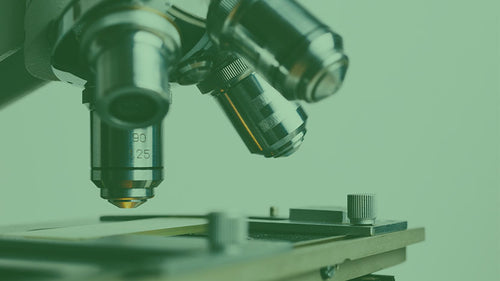
    • This includes taking a swab (a small amount of mucous membrane is examined under a microscope for the presence of parasites). A swab, followed by an antibiogram, a bacterial count test, ultrasound or X-rays, and an autopsy are also possible.


In short, there's quite a bit involved in making a proper diagnosis. So don't try to solve your problems via social media; enlist the help of an expert or take courses so you can do it yourself.

Author: Joop van Tol (Koitoday)

Vijverleven

Sign up for our newsletter

Receive the best offers and personal advice.

cookie preferences

To provide you with better, more personalized service, we use cookies and similar technologies. We and third parties use cookies to track your browsing behavior on our website. More information can be found on our privacy policy page.